
There was a sense of freedom which was refreshing as we wheeled our tandem down the rusty ferry ramp in the cool early morning air. The simplicity of our new world, managing on the few essential things that we are carrying is invigorating and why we enjoy this way of travel. Our destination is the Sahara. Through France, Spain, Morocco and perhaps beyond.

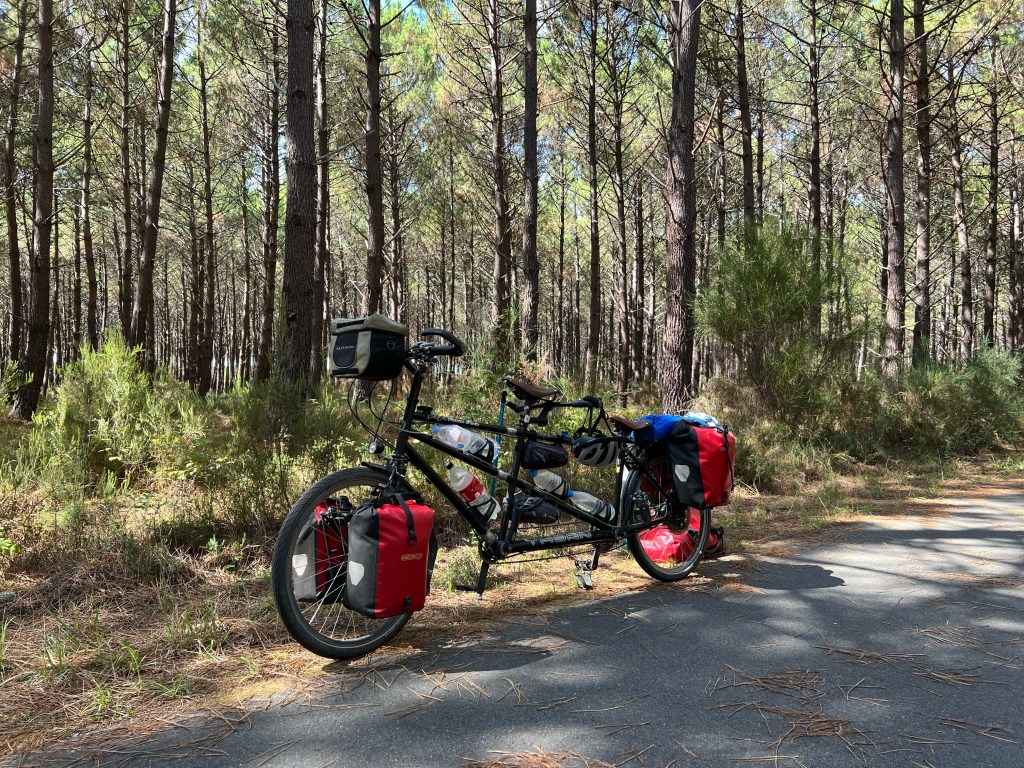
The bike felt good as we sped across France heading south, following the Orne and Mayenne rivers down to the Loire, then to the Atlantic and the pine forests to the Pyrenees.

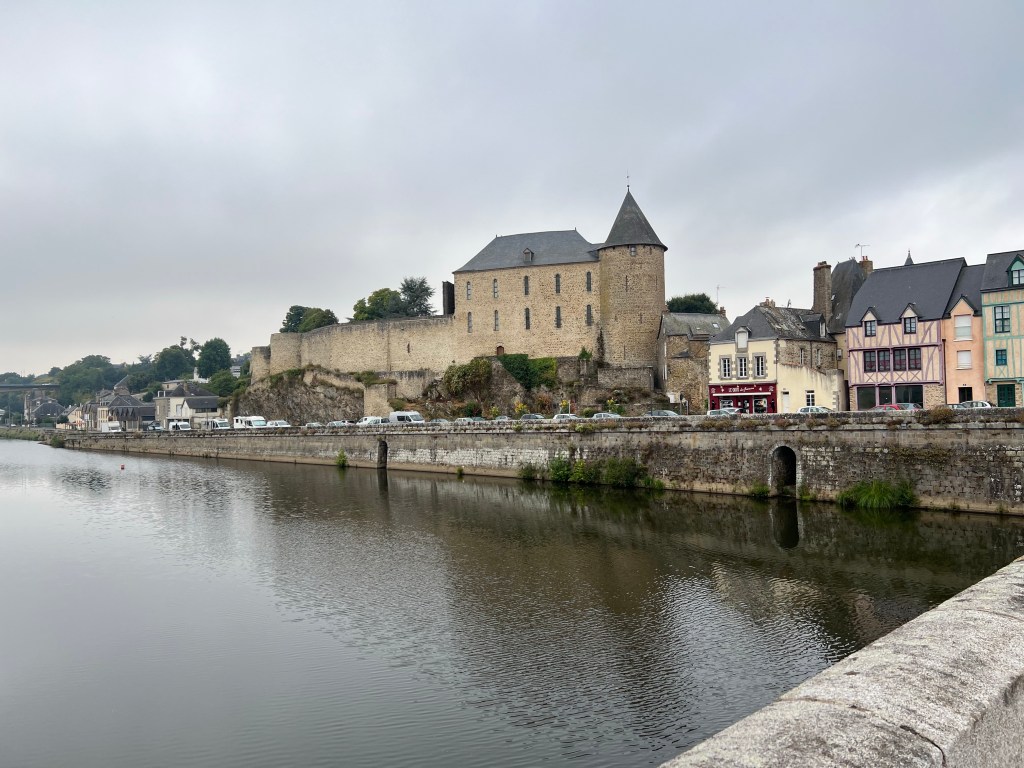
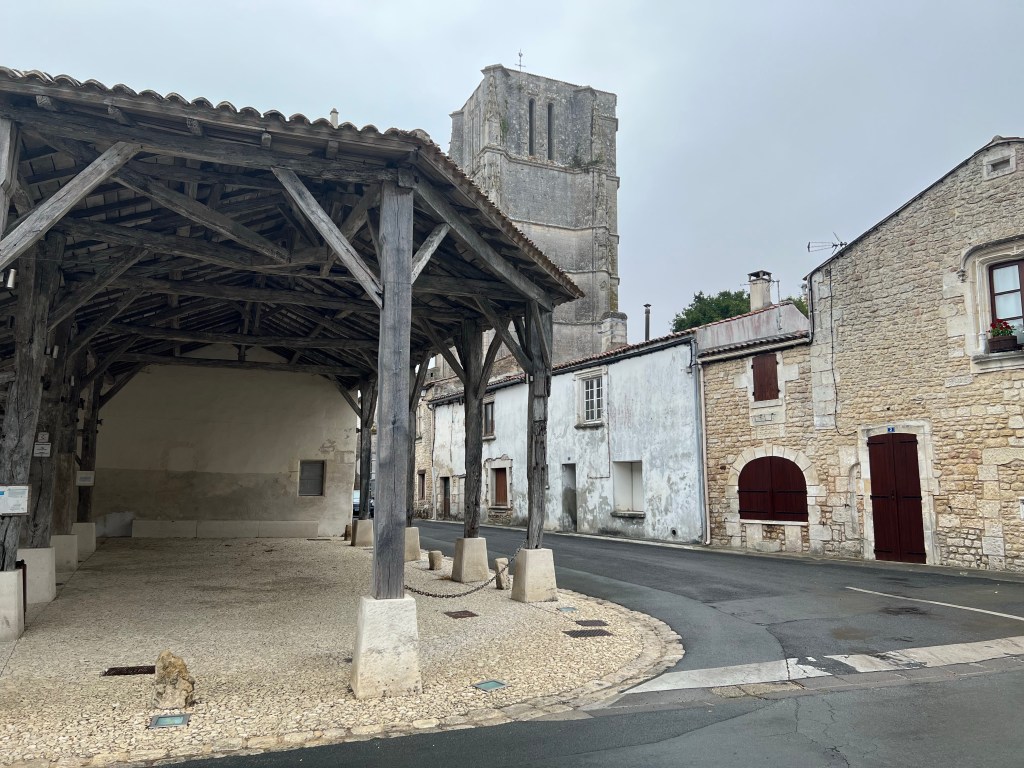
We passed through sleepy villages with stone and rendered houses with flakey pastel coloured shutters, on narrow lanes that typically lead to a central square with the church, the Marie and a cafe positioned around the cobbled space. Trees provided shade, rosey faced men smoked and drank wine from small glasses. The place was peaceful and relaxed. We both felt there is such a nice feeling about being in France.

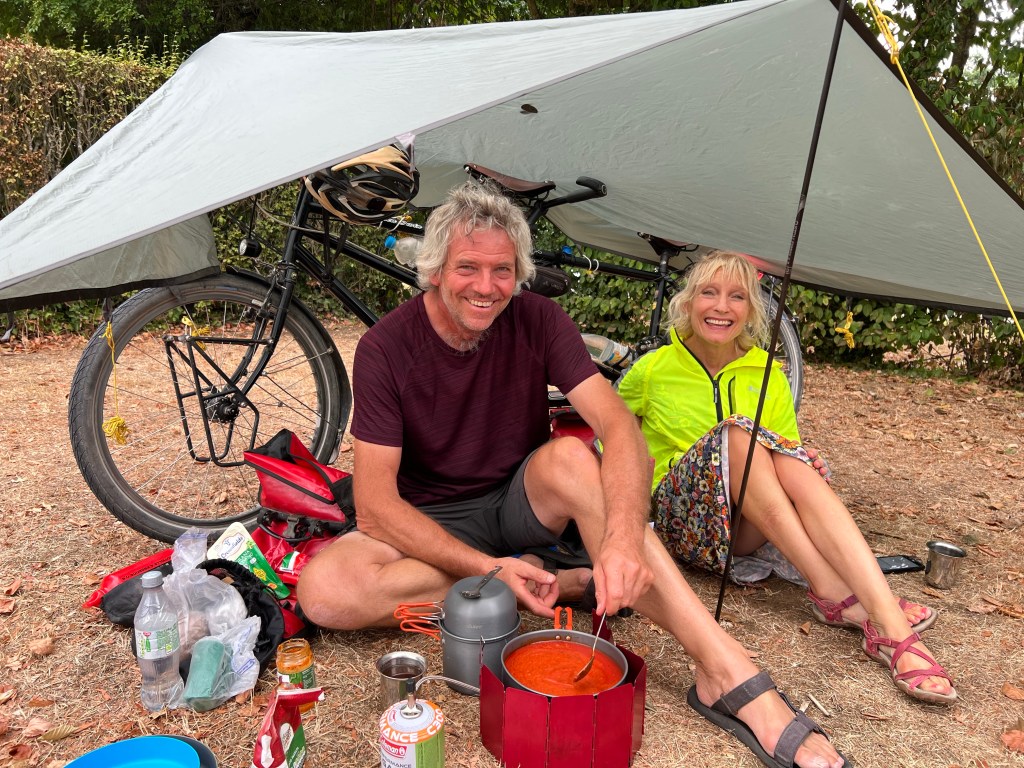
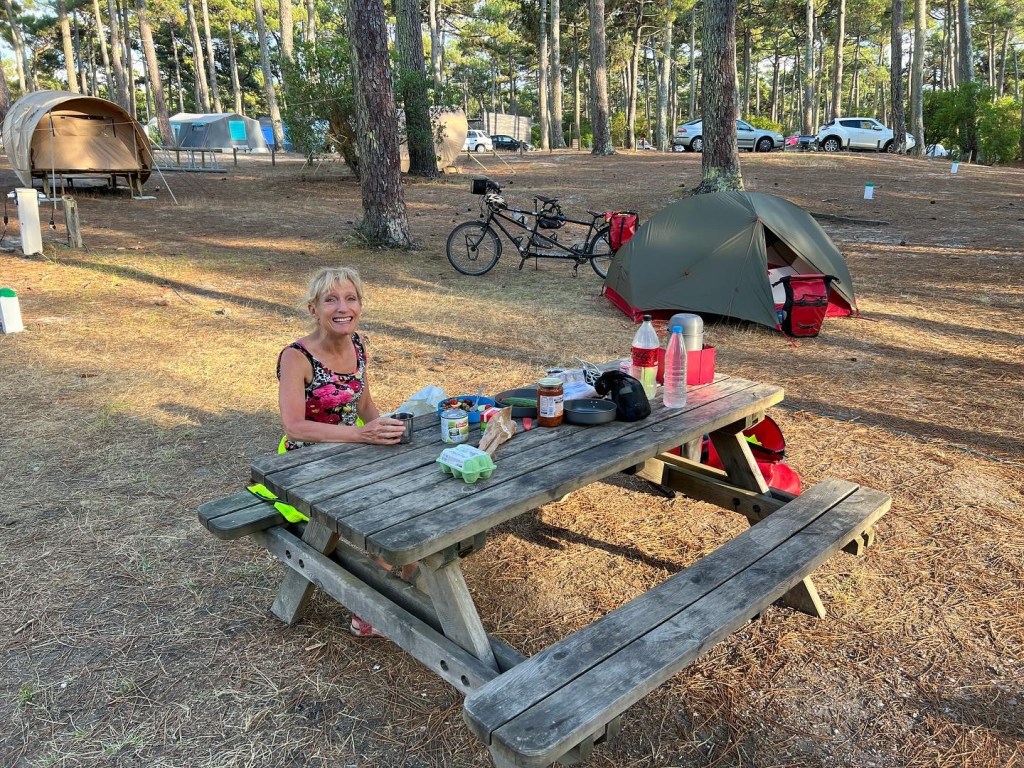
We camped at the village campsite set on the edge of the park. Families played boules into the evening.
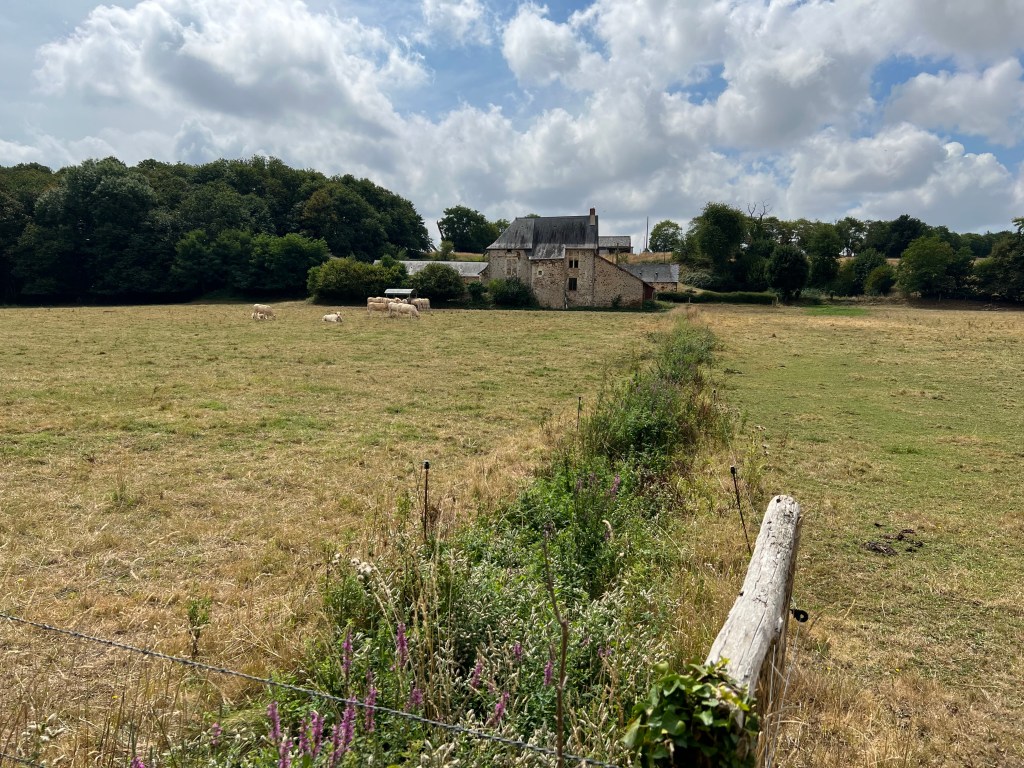
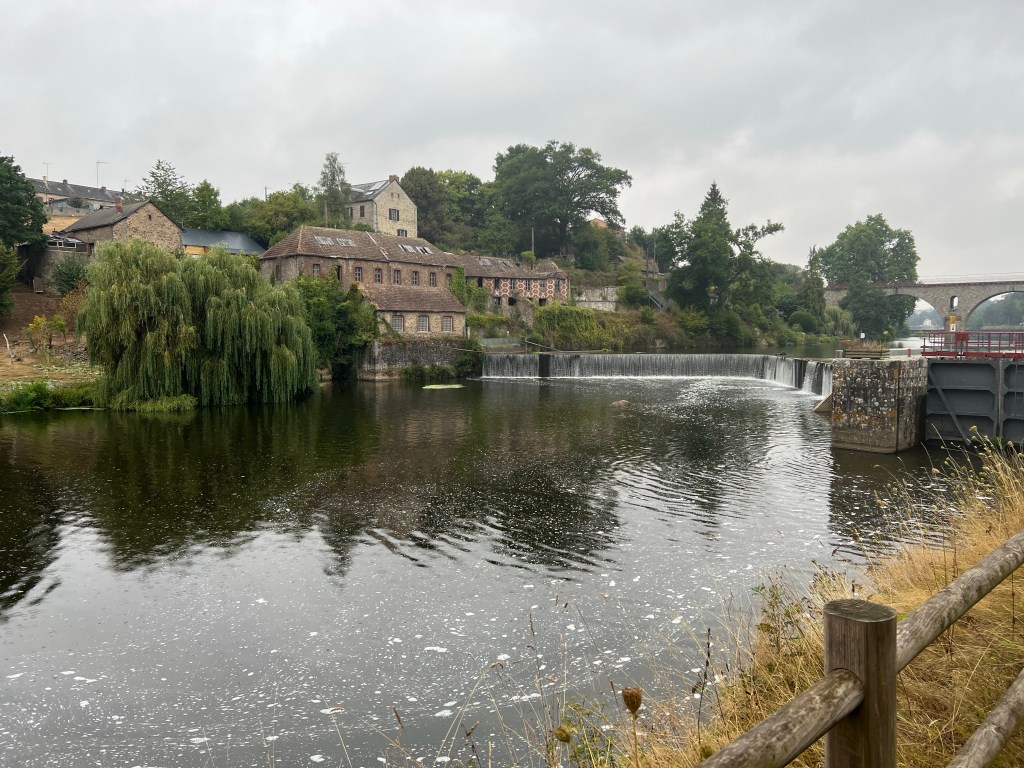
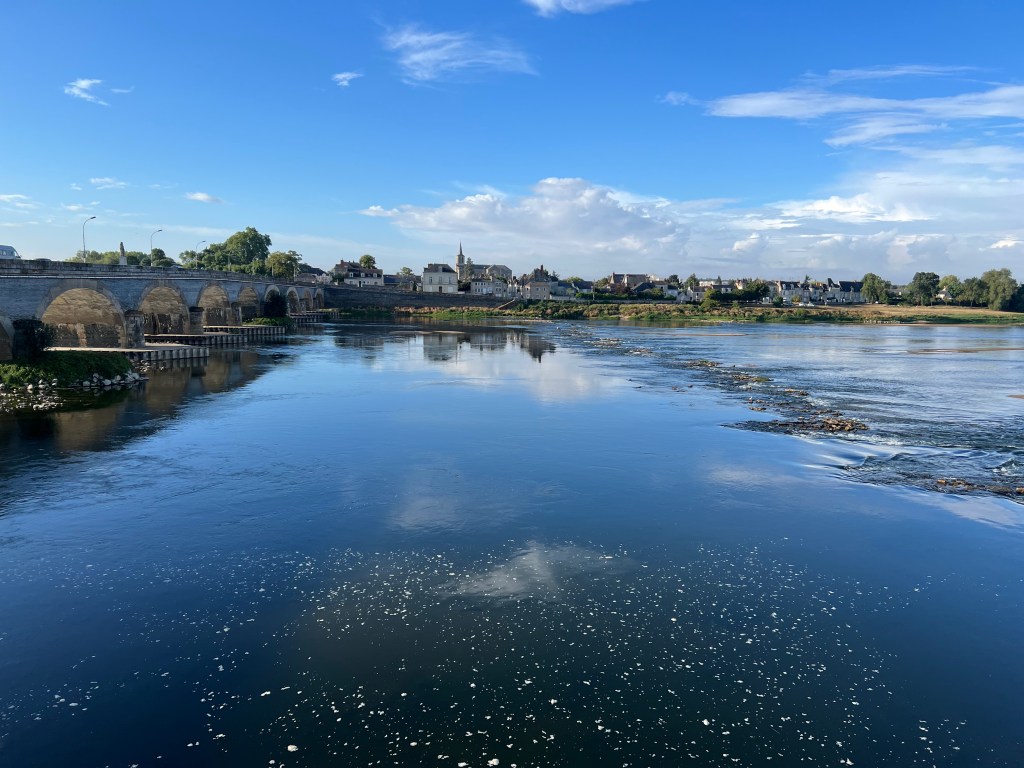
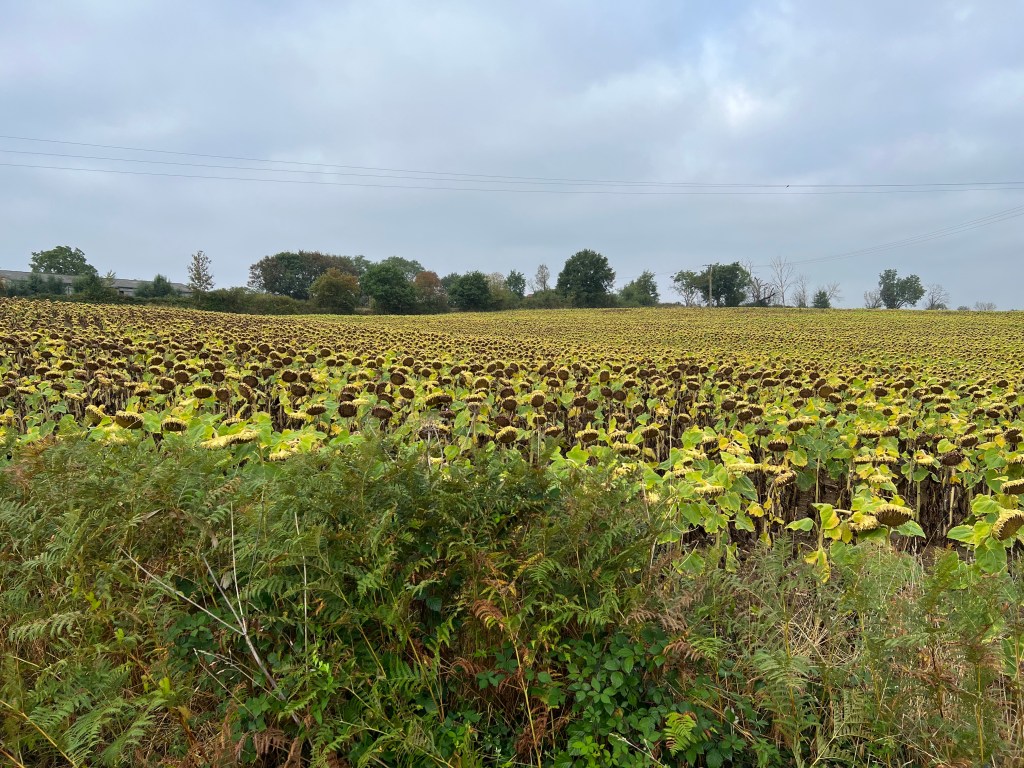
The bike routes are so well made passing through empty countryside with fields of sunflowers, and along rivers with large stone mills, wide rocky weirs and the occasional imposing Château overlooking formal gardens or directly on the river edge.

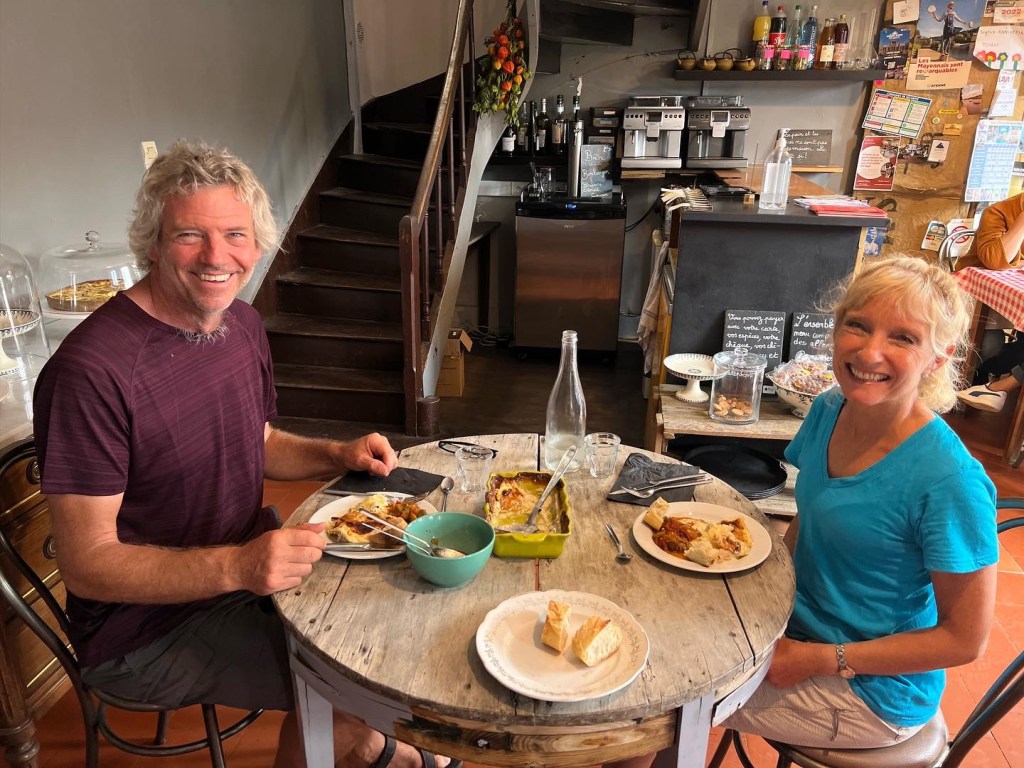
We love the simple food of France served as a plat de jour. I am always inspired by the flavoursome meals that aren’t overloaded with many dishes, just nice tasty food and all for a great. price. It sits nicely with our other favourite thing about France which is the camping. Simple, cheap and great quality.
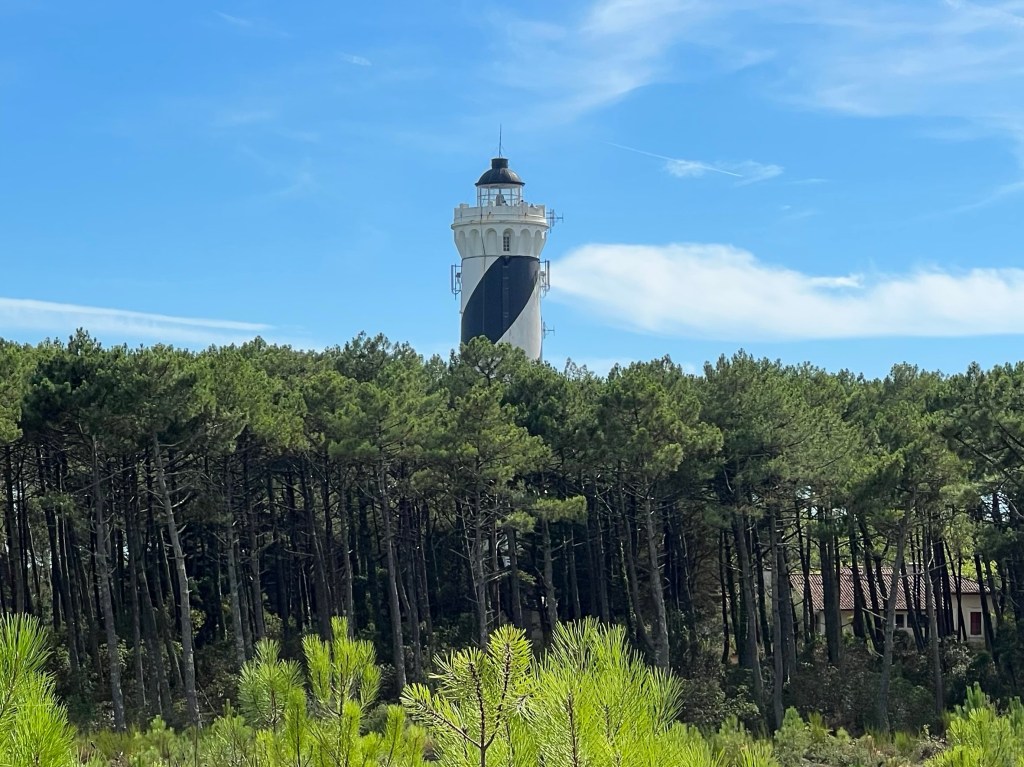
Quiet lanes took us across a rural scene until we were in the pungent smelling pine forests along the Atlantic, tucked behind massive sand dunes that separated us from the ocean. The noise of crashing waves on the beach in the distance competed with the shrill of crickets song.



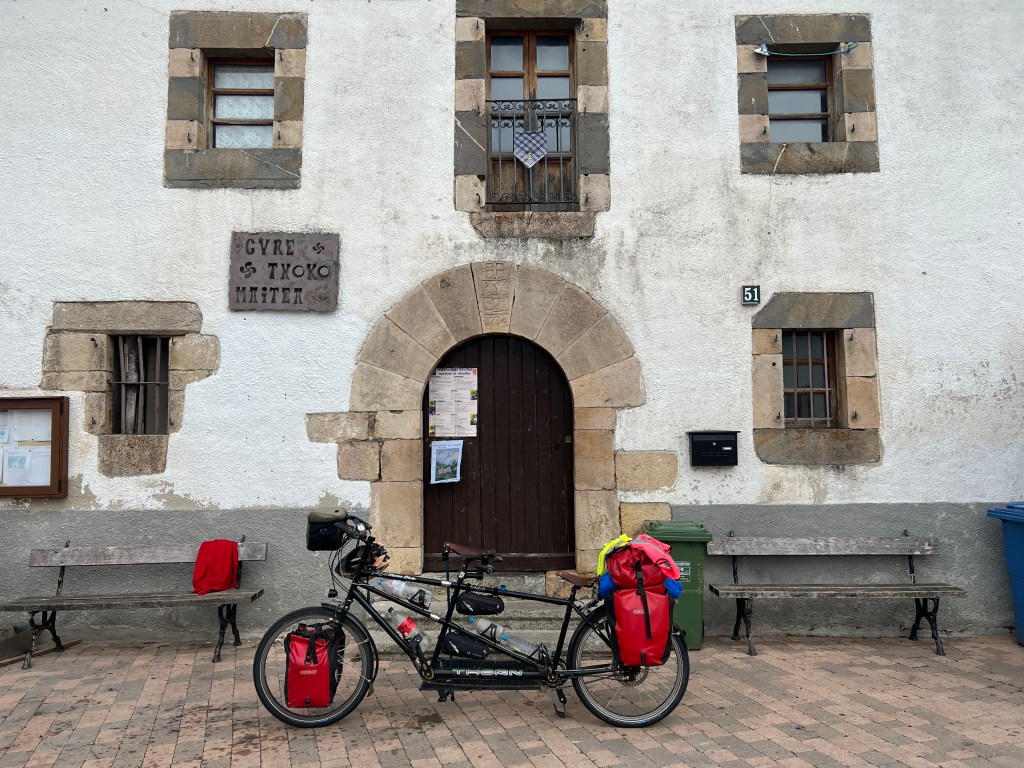
After eight days cycling we reached the Pyrenees and the Basque Country. Leaving the historic town of Bayonne set along the river bank with its tall timber framed buildings we started climbing the hills and soon the valleys narrowed and the landscape changed to mountainous. The names sounded more Spanish and the houses changed style to


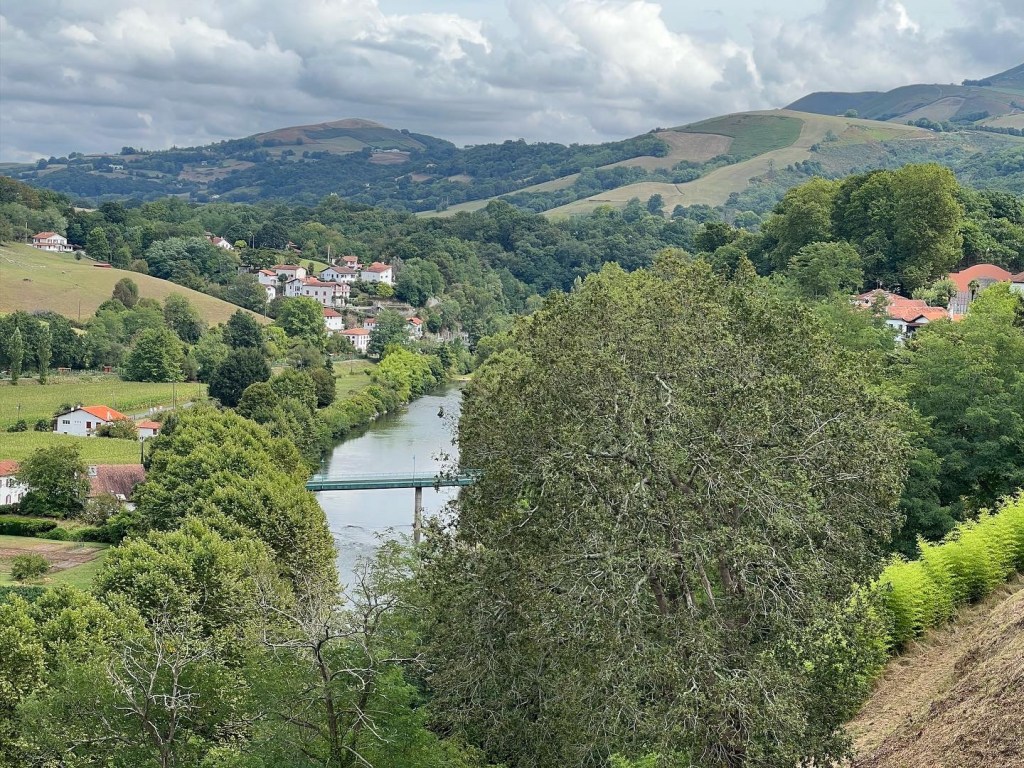
stone cornered alpine looking places, some with provision for livestock on the ground floor. The white buildings displayed rusty red or green shutters representing the Basque flag colour.

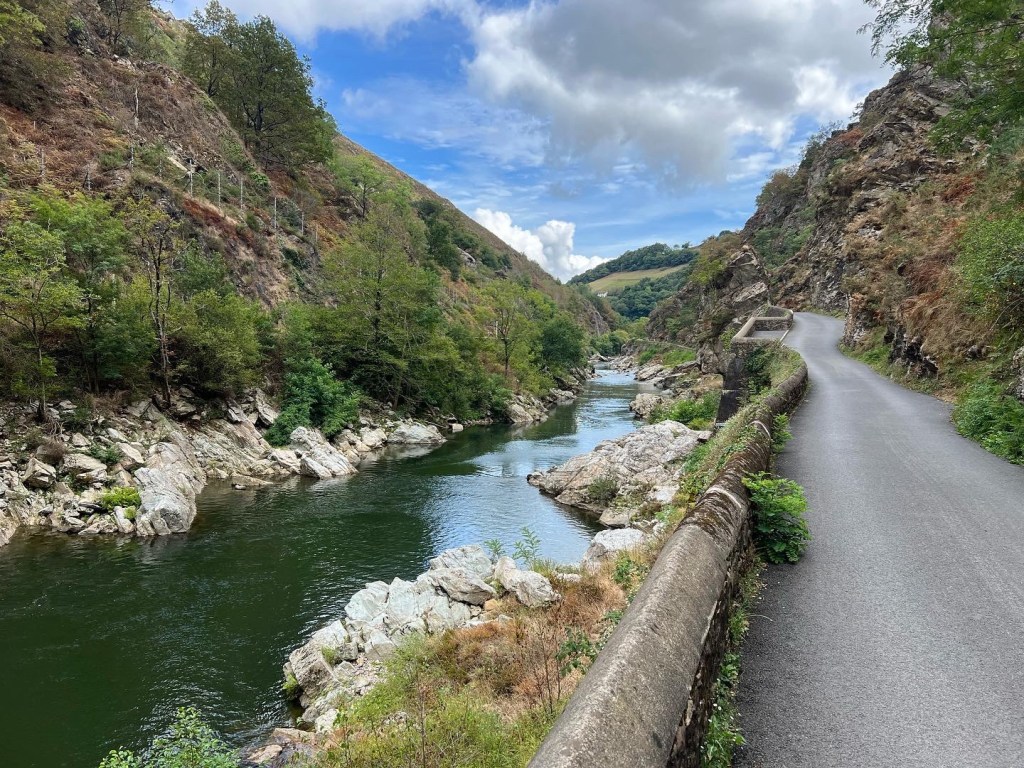
We left the friendly village campsite by a mountain river and started the long climb to the pass. The hills were wooded interspersed with brilliant green pastures. Stone farm buildings were here and there. A fine drizzle persisted as we got closer to the clouds and were eventually surrounded by wet mist, the valley and views disappearing. The temperature dropped although we were hot with the incessant climb. Small groups of large cows with bells clanging occasionally led by bitter faced farmers emerge from the cloud. We reach the pass, soaked to our skin, the border with Spain, but there is no indication on this small track of a change in country, but maybe that’s because it is basque on both sides. We cost down into Spain and get very cold.


The first villages we arrive at are on the Camino to Santiago de Compostela and there are many pilgrims. We stop for coffee and tortillas to warm up at a picturesque village cafe surrounded by historic stone buildings. We chat with the passing pilgrims. They are a mixed bunch of all ages and physical shapes. It’s quite intriguing to see the scale of the tourism associated with this long distance walk and it’s popularity with Americans.
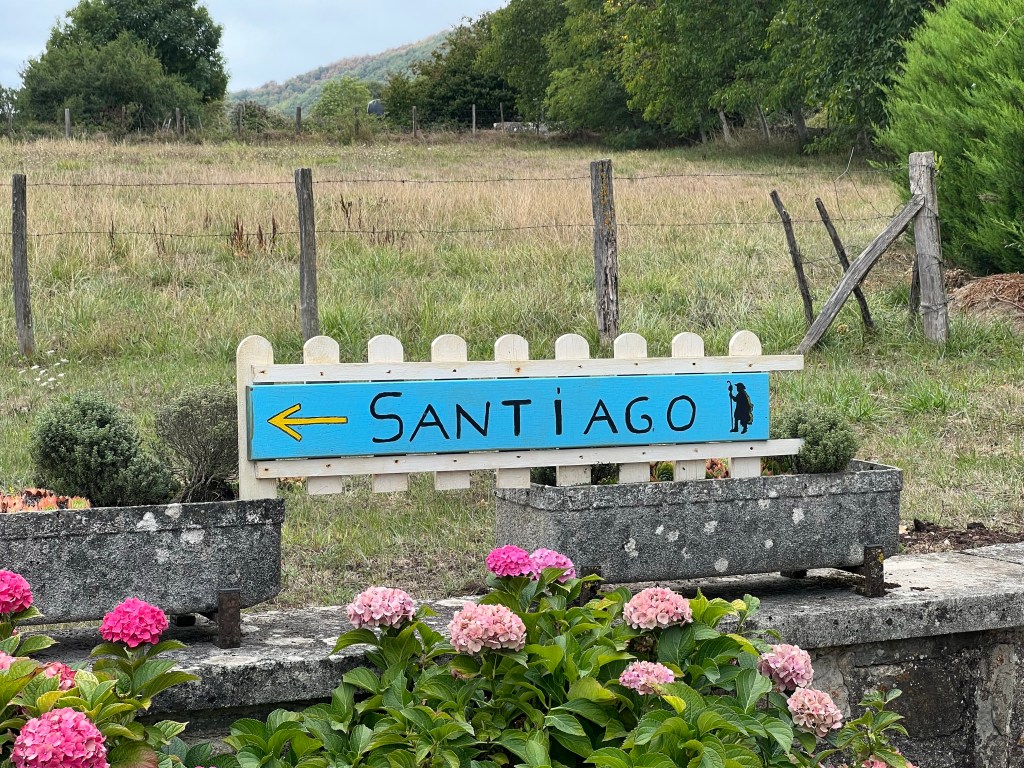

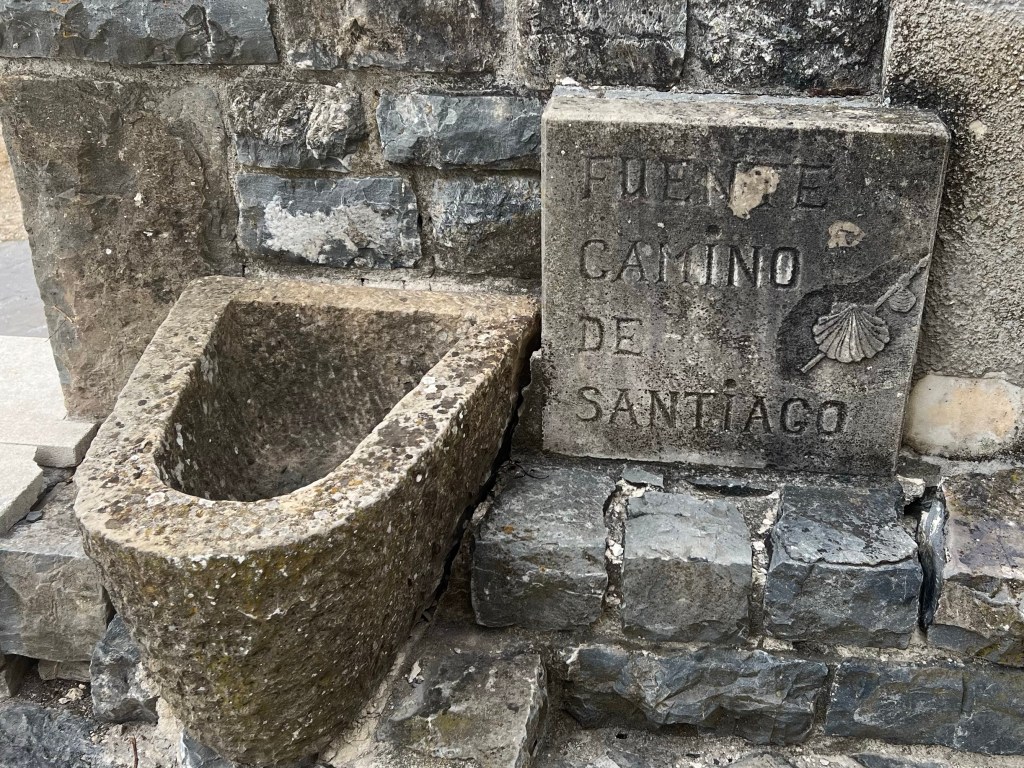
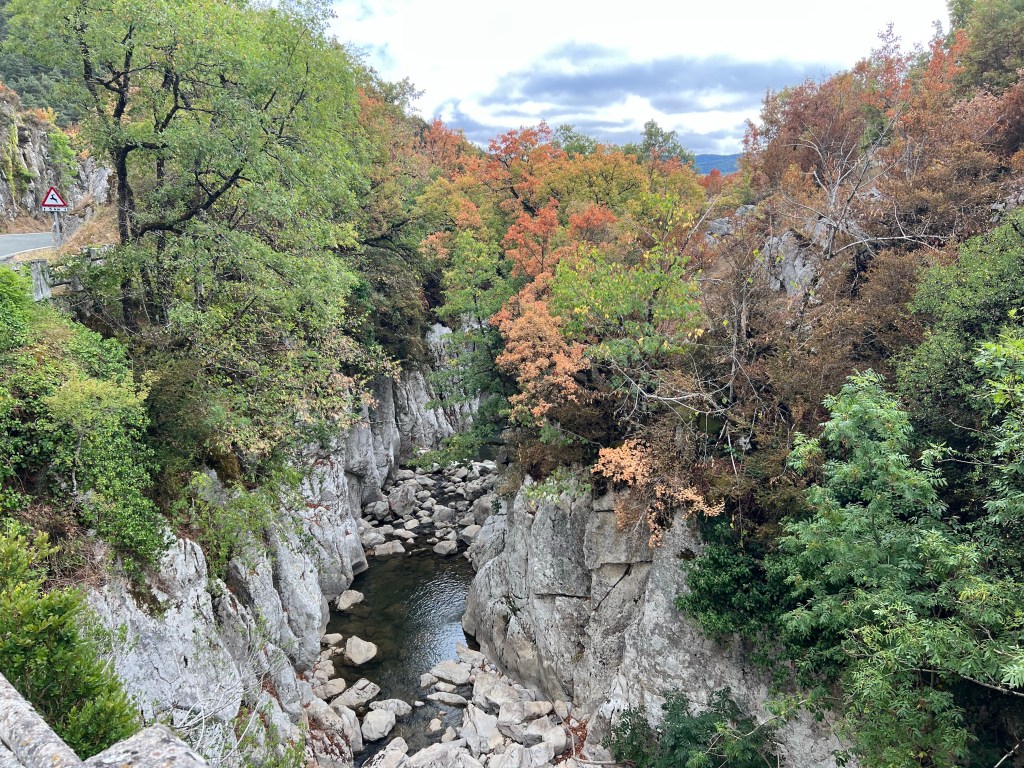
We descended from the striking mountains and hills of Navarra through a limestone gorge where the trees were already displaying crimson autumn colours, possibly brought on early by the drought.

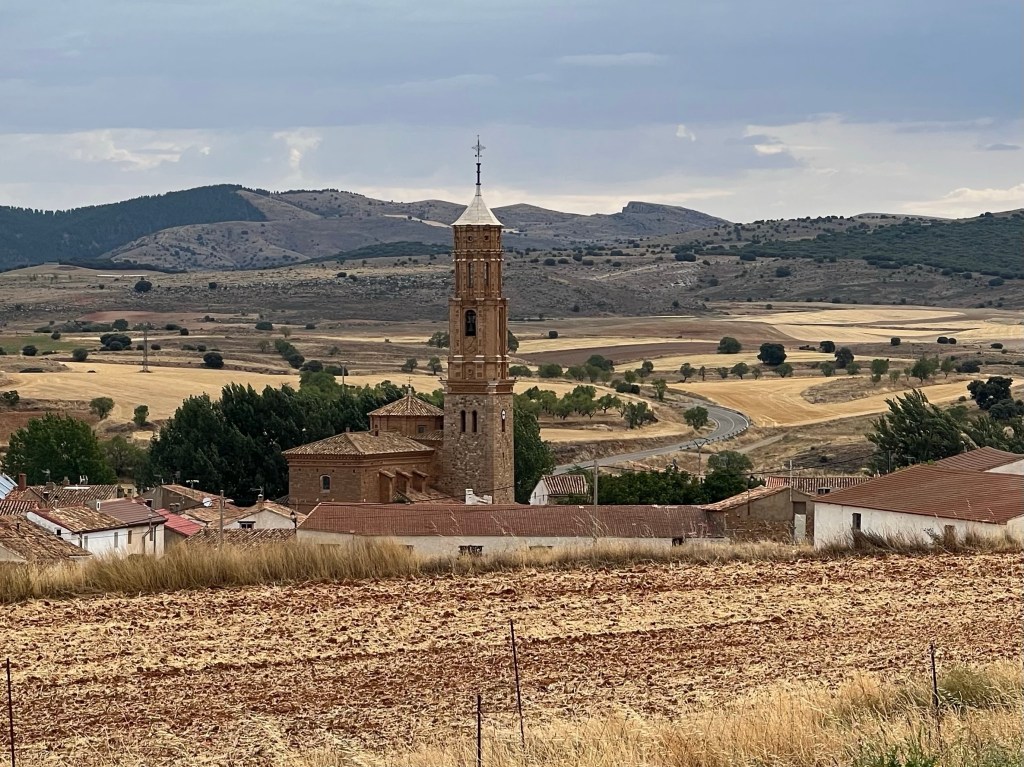
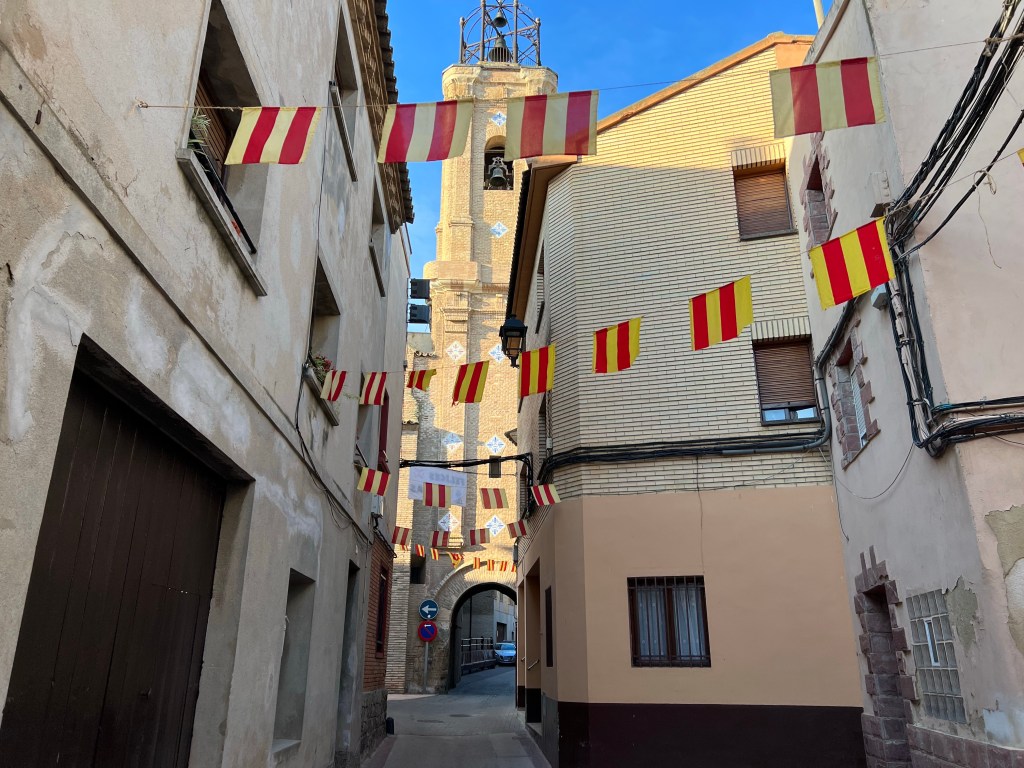
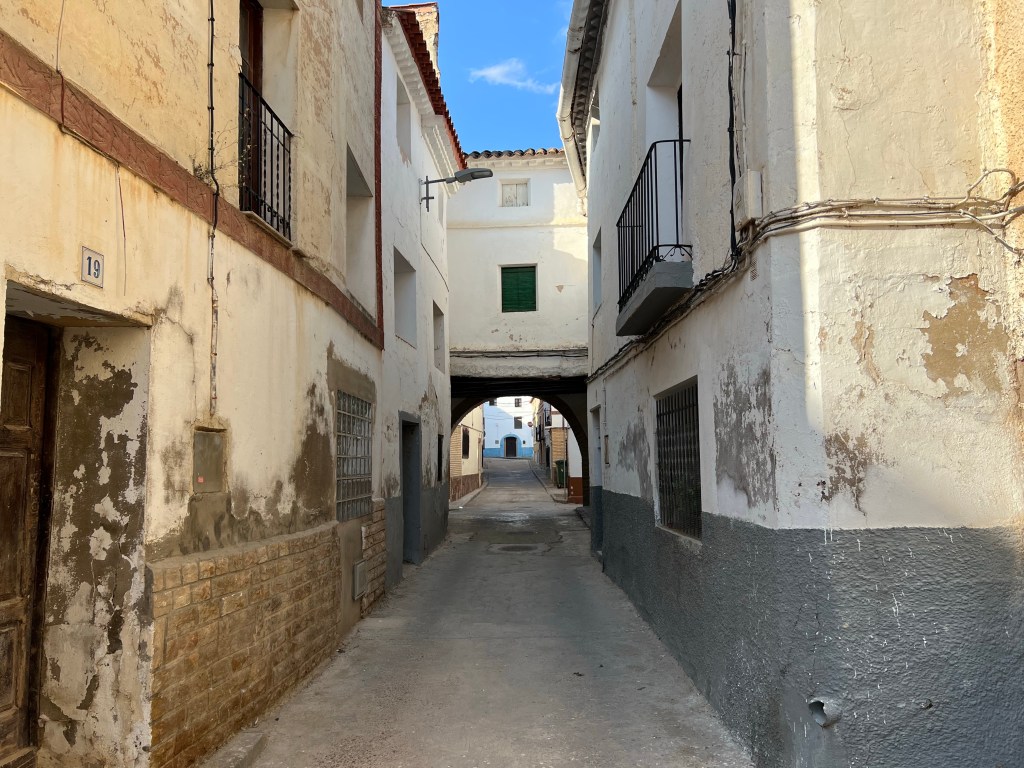
We were now in the empty, hot, harsh region of Aregon. Very unlike France there weren’t small lanes crossing the rural scene of small farms and villages. The roads were bigger, although pretty empty, and the settlements were spread out. There was very little shade and the farming was on a vast scale, intensive pig and chicken production in concrete barns. The land was cultivated for animal feed. It was a long hot ride across the barren landscape, the towns and villages provided much appreciated interest with old buildings and large impressive churches.


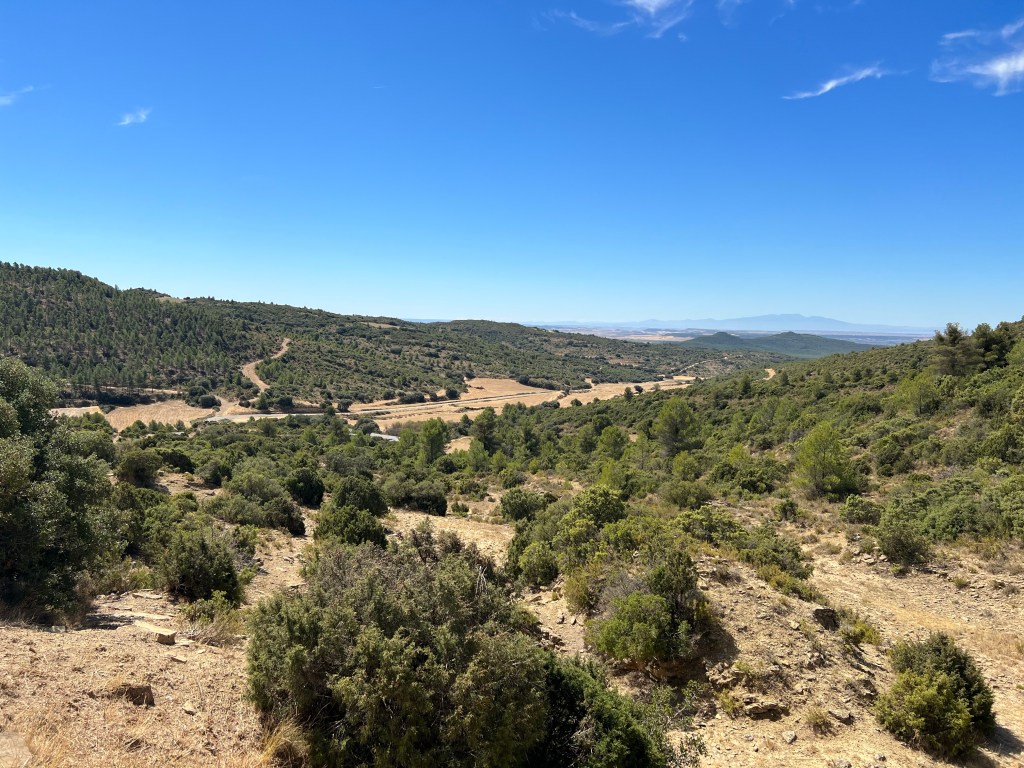
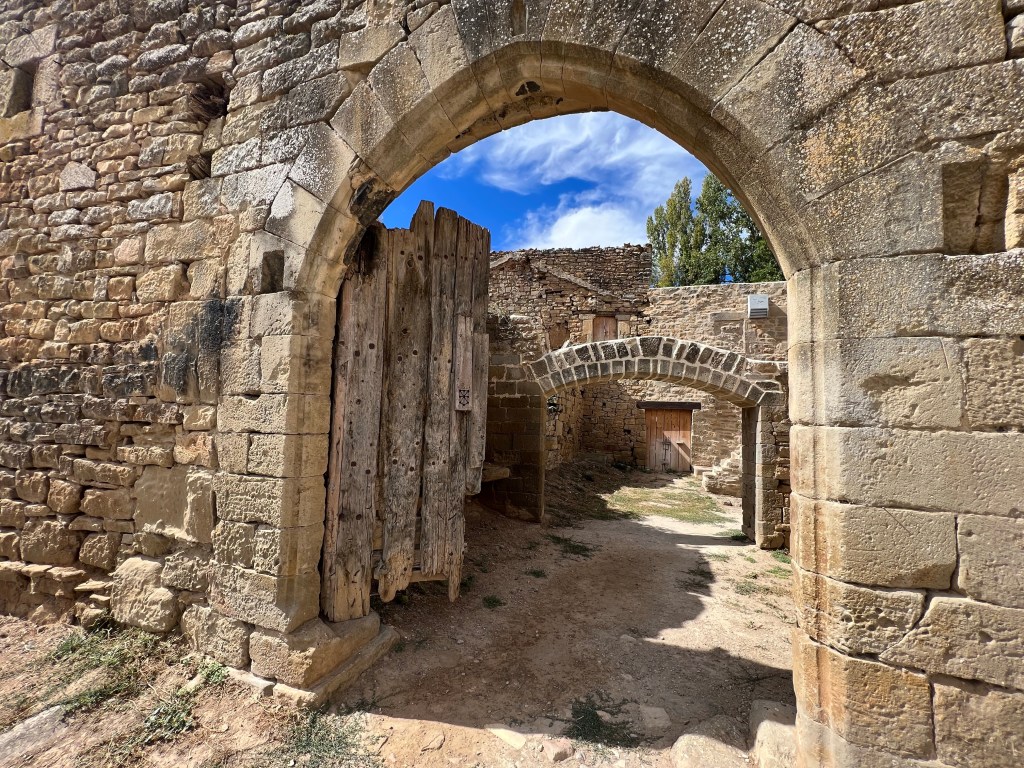

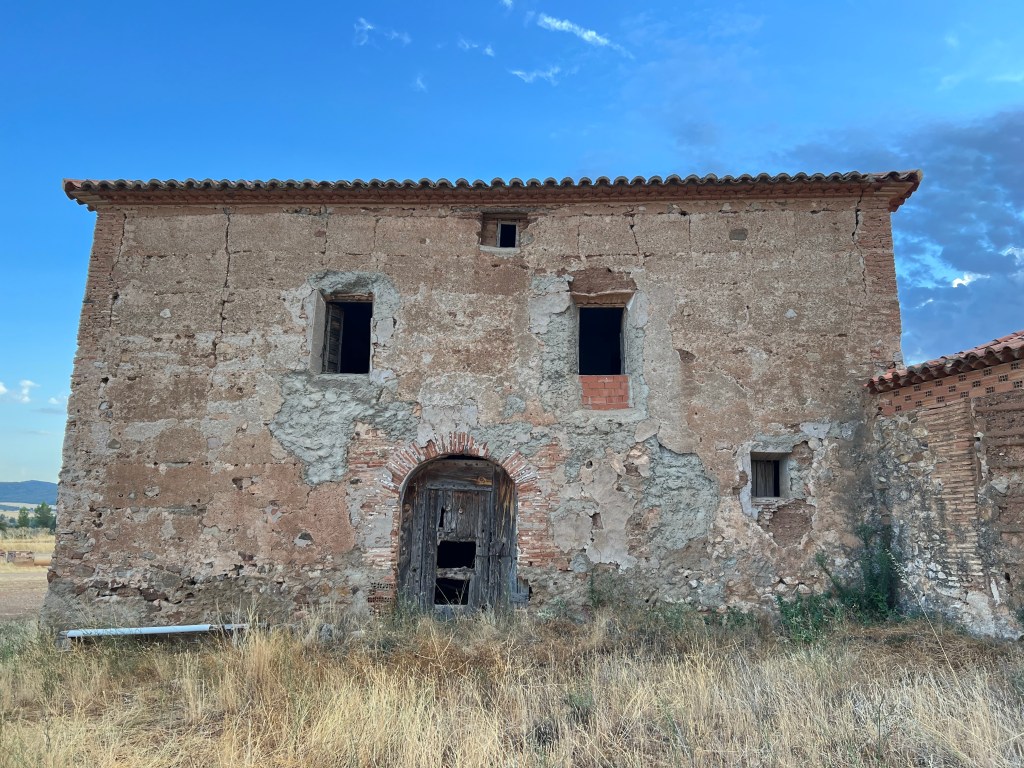
The scenery became hilly once more as we crossed from one broad valley to another. The valleys were extensively irrigated allowing much more diverse agriculture.



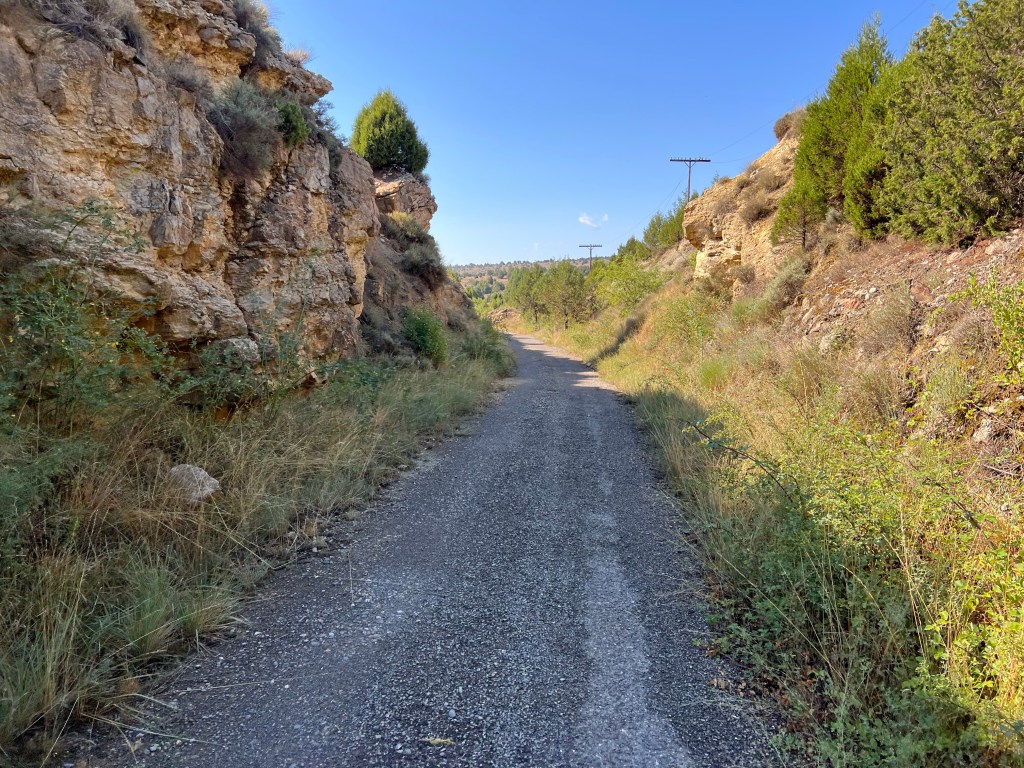
We wound our way towards Valencia helped by using a disused railway line cycle route which made easy work of the mountainous region. The railway engineering helped us cross valleys on viaducts and cut through hills in tunnels and cuttings. Huge swaths of majestic slow turning wind turbines topped the hills running along the ridges for as far as the eye could see.


Our last hilly area too cross before Valencia, known as Bejis was completely devastated by wild fires. The blackened lifeless panorama of charred trees and ash covered rocky mountains had an eerie feeling which was emphasised when a violent thunderstorm broke out as we were trying to find somewhere to camp. It was extreme and we were soaked. It was hard to find ground to pitch our tent that wasn’t flooded.

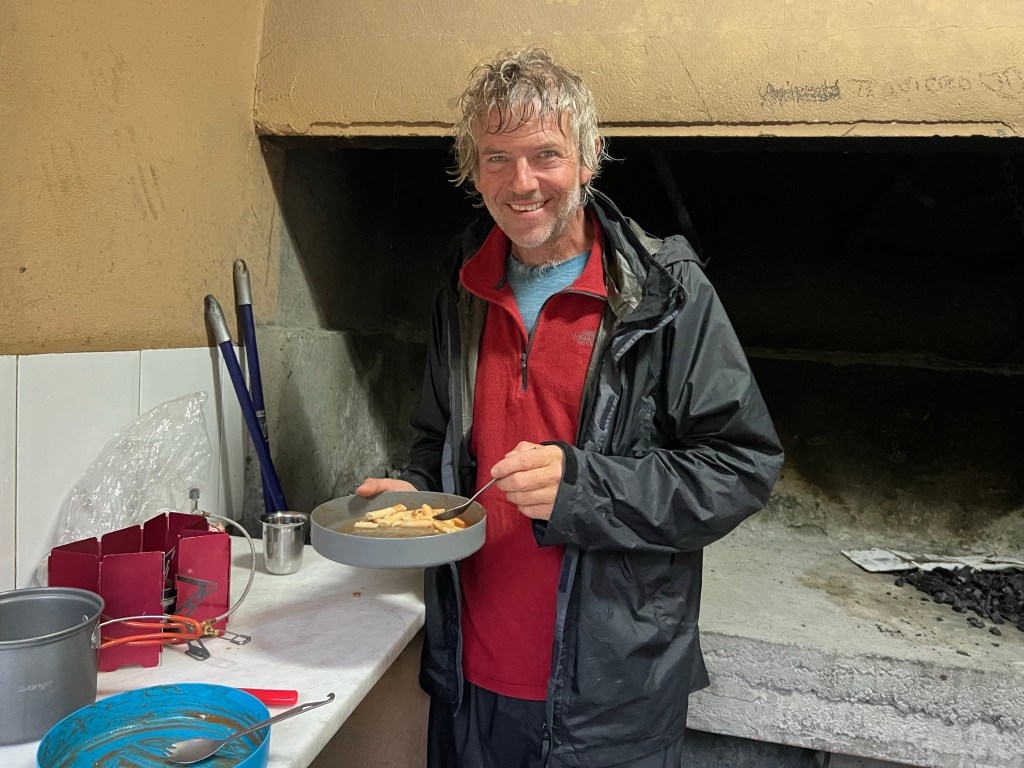
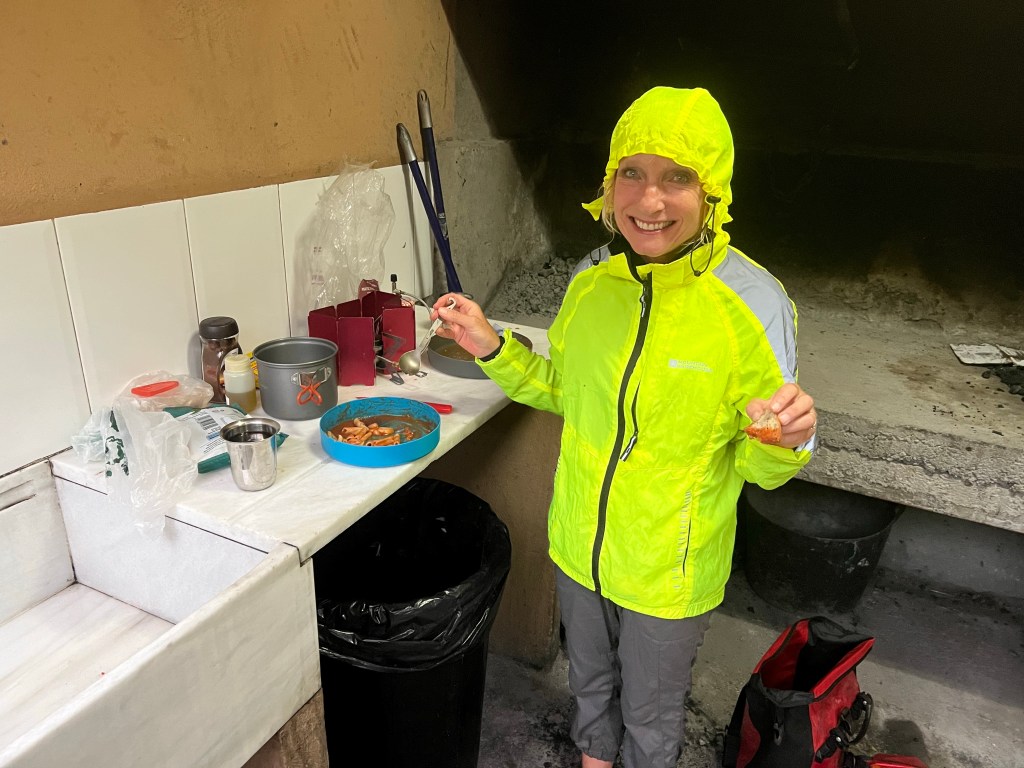
We arrived at Valencia and the Mediterranean Sea. It felt an achievement and we decided to have a rest day, go out for supper and have a few beers.

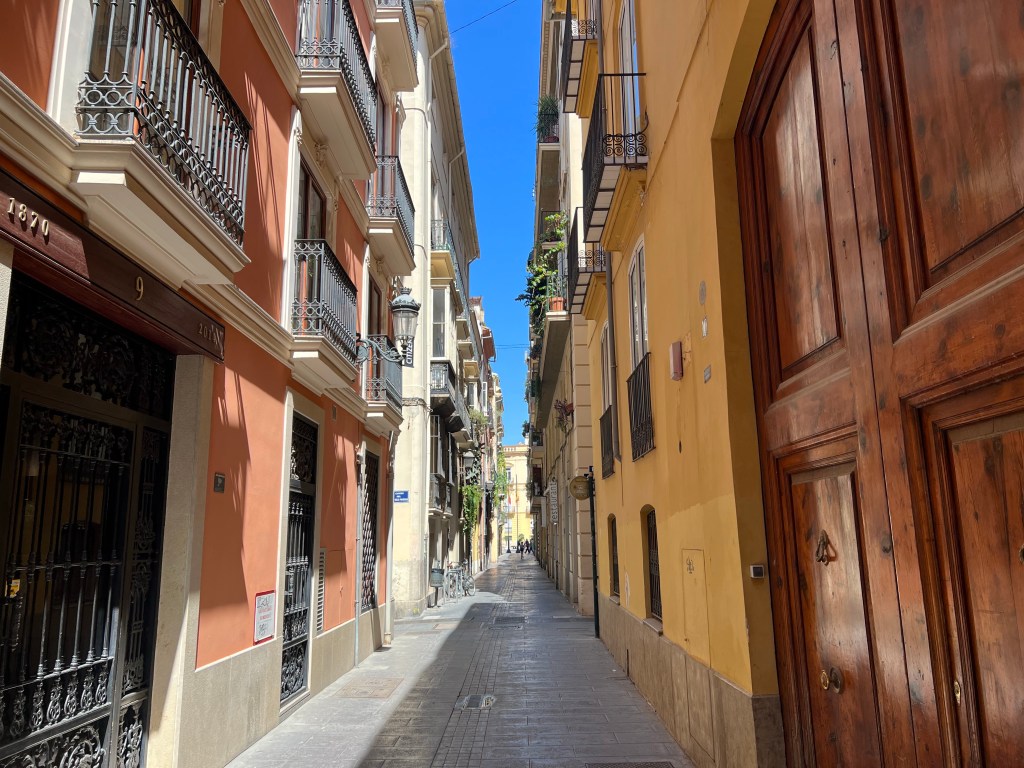
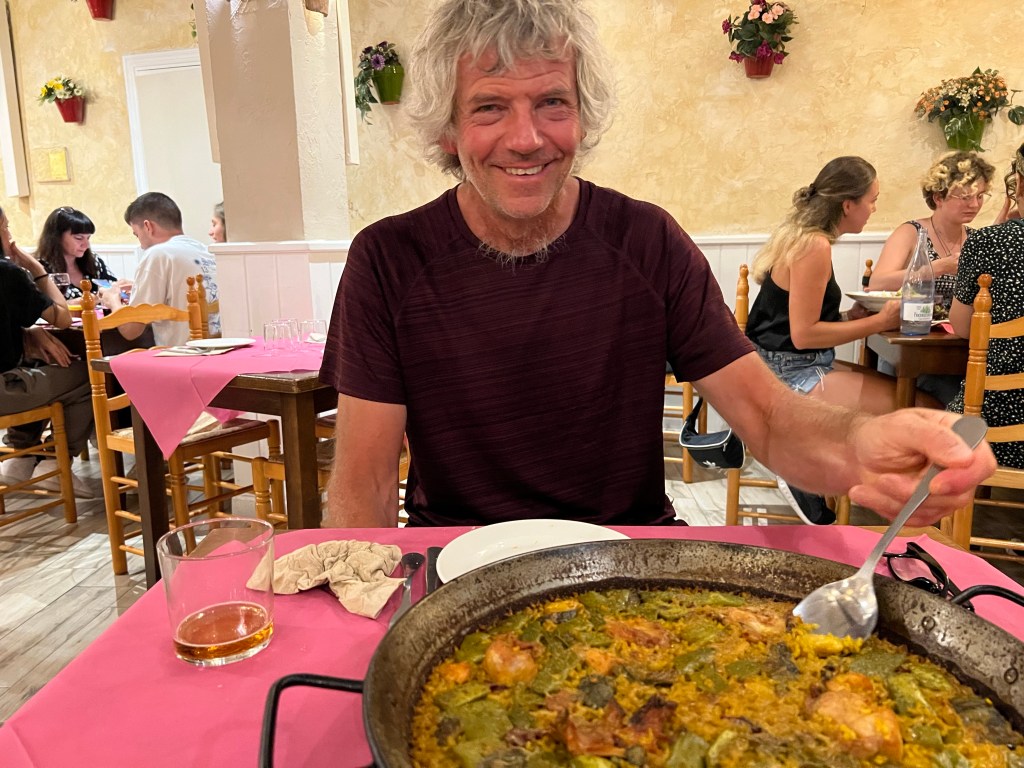
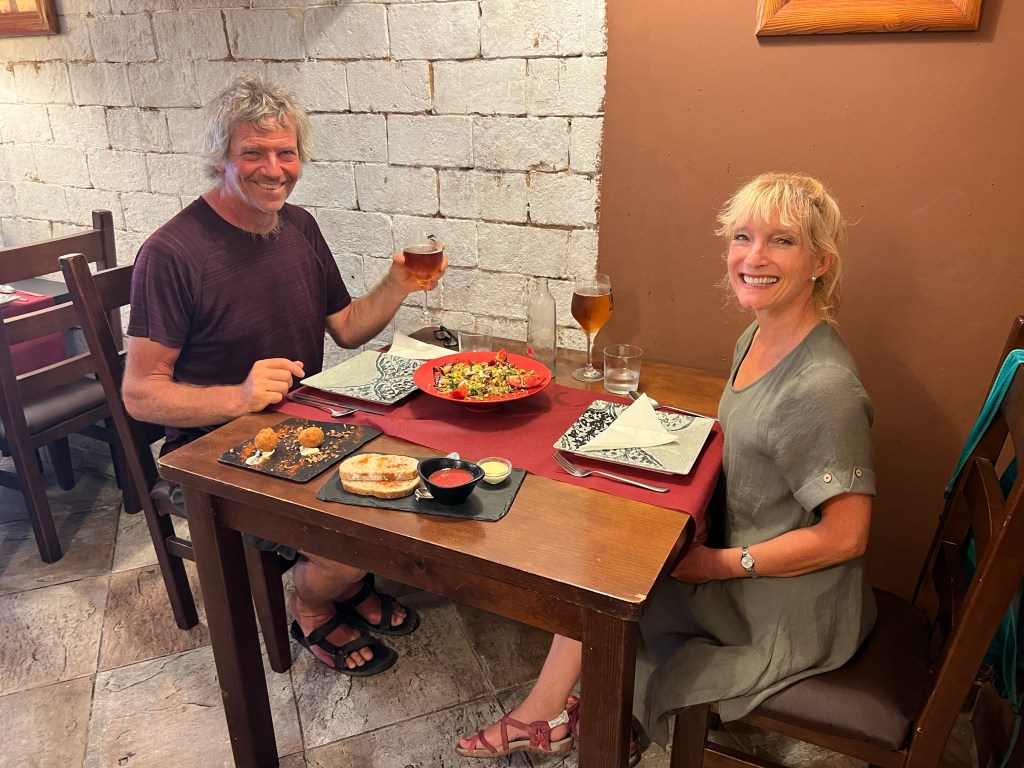
The last push down to Almeria was through large scale vineyards and olive groves. The countryside wasn’t littered with industry, just small farm buildings and Bodegas where they make the wine. We love watching how the farming changes over our journey. From maize and sunflower fields, to grass and animal feed to citrus fruit trees, pomegranates, and apples to vines and olives, to peppers and tomatoes, and even rice in the low flood plains of Valencia and Murcia. As we come south it gradually changes as it does when we cross from one valley, up and over the hilly divide to the next.


Our day routine is now leaving at 6.15am, having had breakfast to try and beat the heat. Stopping for coffee and then lunch make for nice encounters. The Spanish people are lovely and their driving is so considerate. We are passing hamlets, villages and towns and people are lining the roadside cheering and clapping as we pass by. It feels good to have their encouragement and it is uplifting helping us to cycle in the heat. Later we find out we are running just ahead of the La Vuelta de Espania! Our fame is stopped when the police close the roads for the race to pass through. A mass of support vehicles and police thundered through before the tight group of licra clad cyclists whizzed past at immense speed.
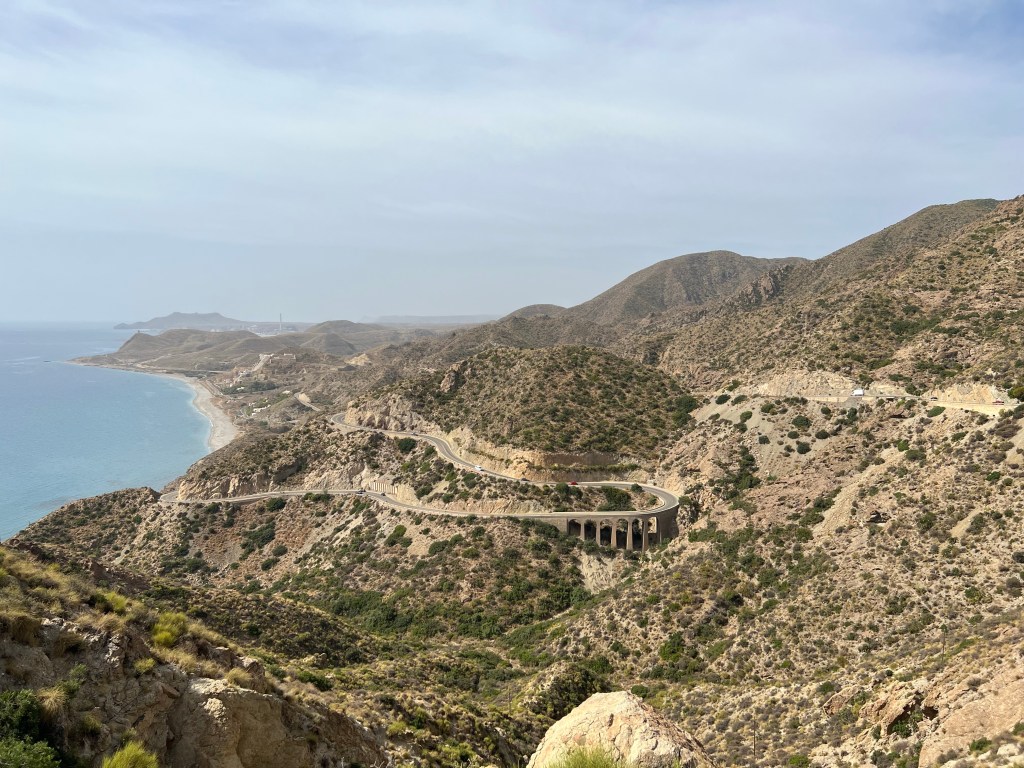
The coastline to Almeria is stunning and hilly. The road snakes around the arid Rocky Mountains as our ride in Europe comes to an end, and we embark onto the ferry for Morocco. The ramps are lifted, the rumble of the ships engines intensifies and we slip away from the wharf. Watching as the city drifts into the distance with the arid mountains as a backdrop and the substantial Moor fortifications of the castle over look the modern city hazy with the heat of the morning.
 tandemtravelcouk
Dear Dave & Helen Thank you for these absolutely wonderful photos of your trip. The scenes look fabulous. And you both look very good too. Take care, stay safe and enjoy your trip. Best wishes Aftab & Shruti
LikeLiked by 1 person
Thanks Aftab and Shruti
LikeLike
Wonderful, we are traveling through France,Spain,Morocco and your doing the pedalling.I think I’ve seen your next building project in the pictures. Allthe best Joe and Alison
LikeLiked by 1 person